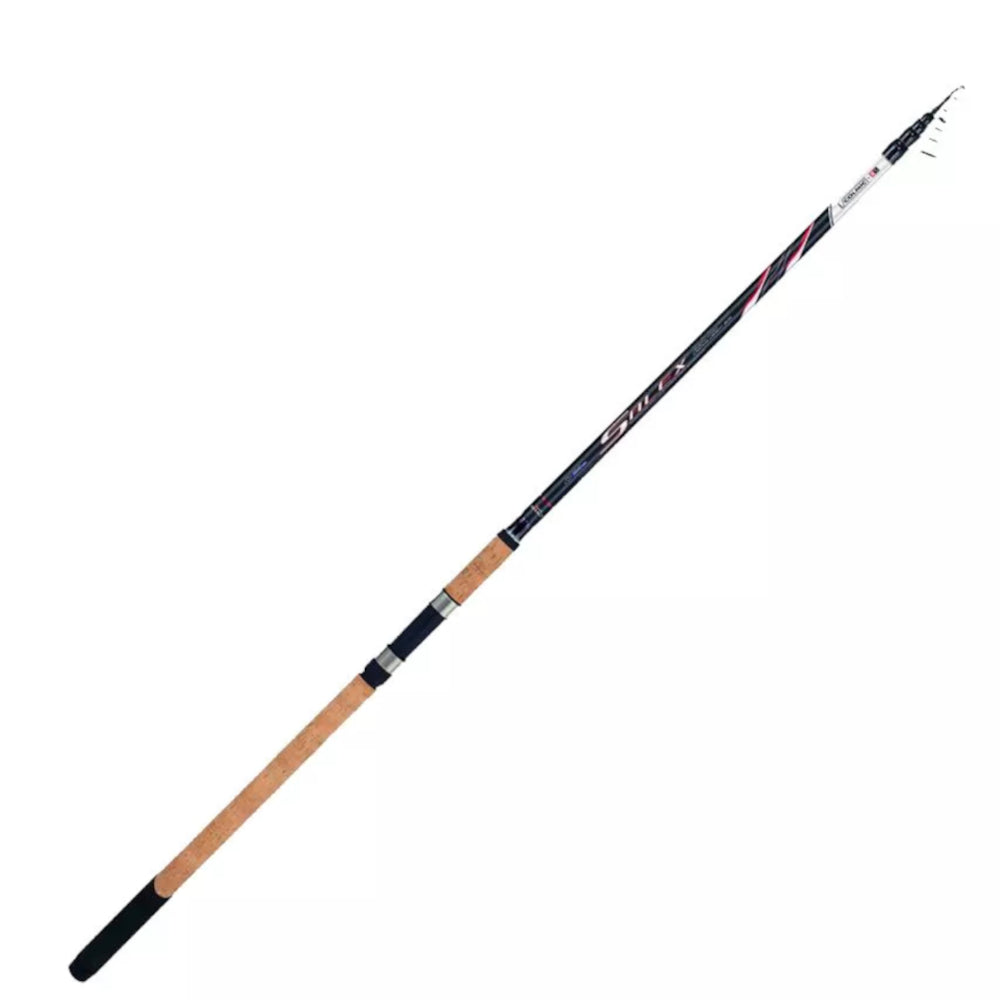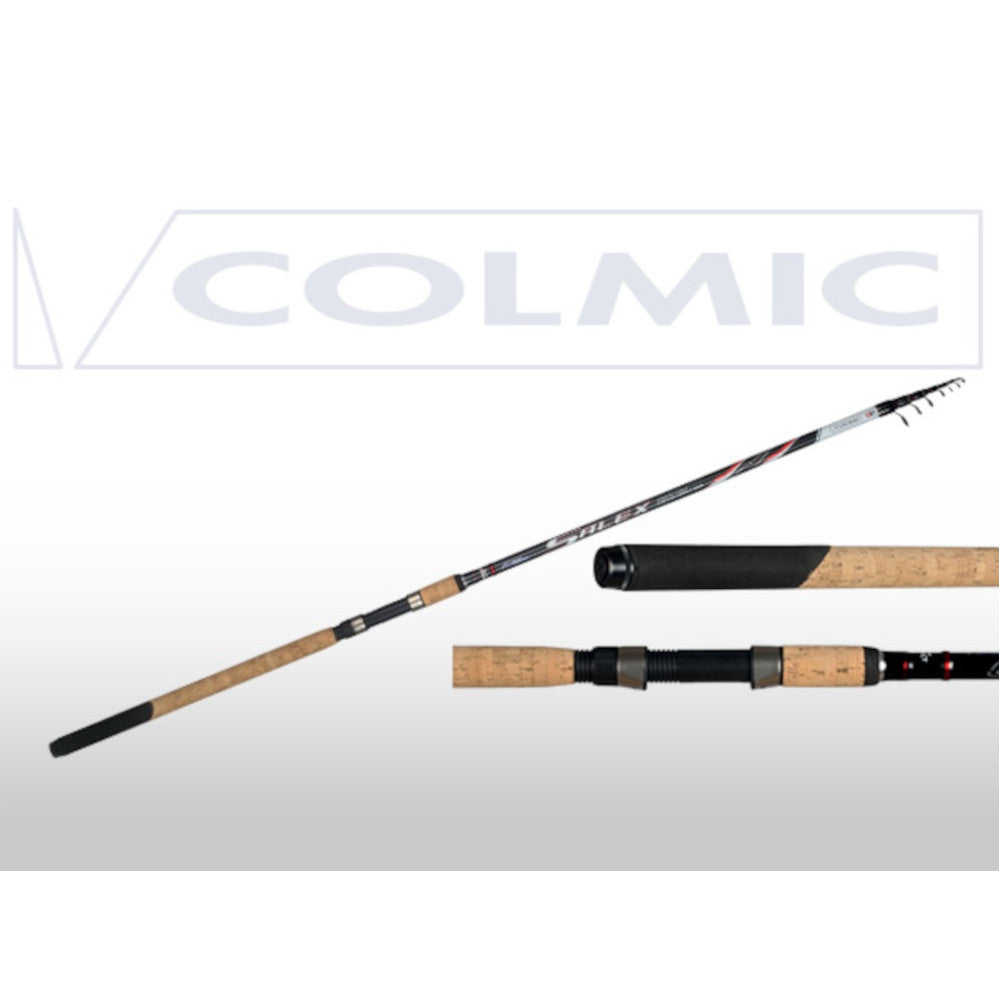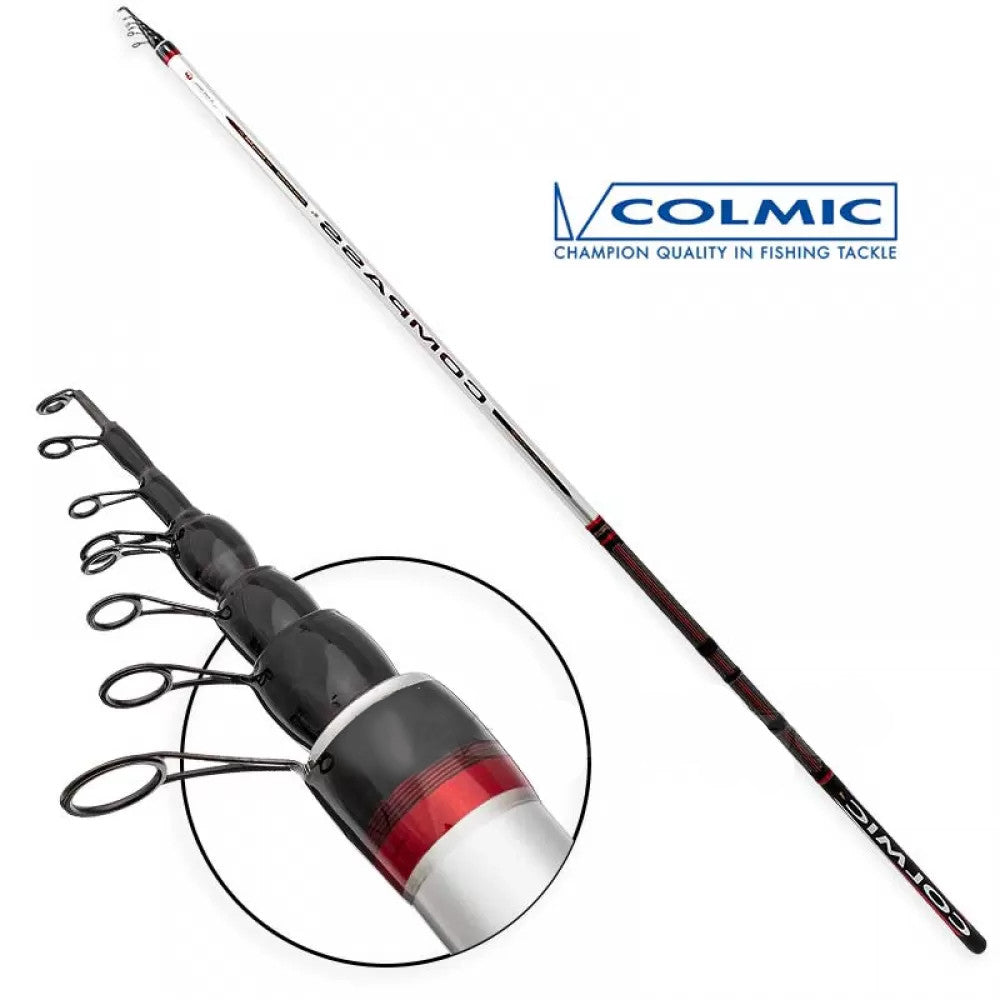
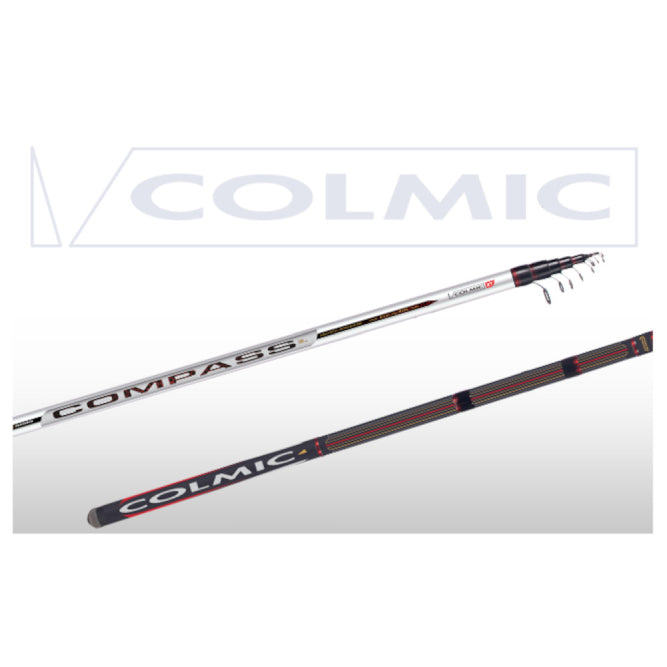
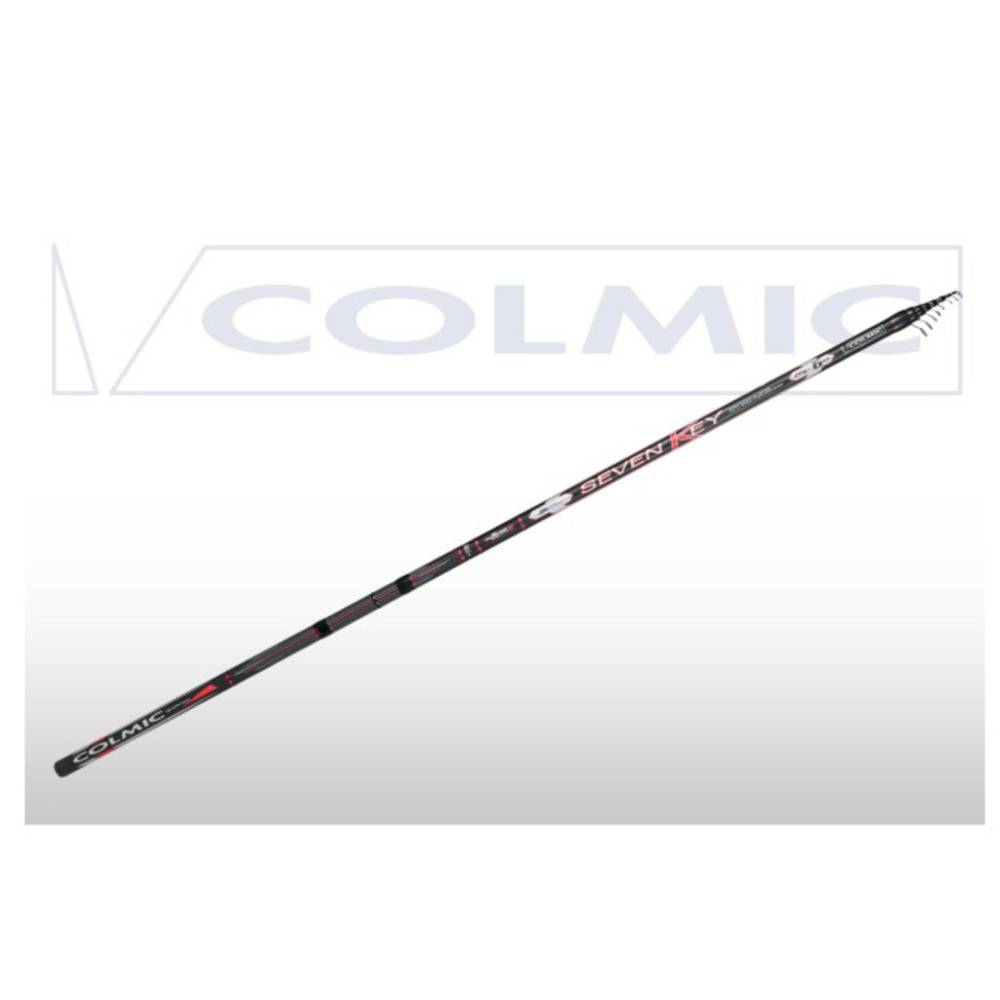
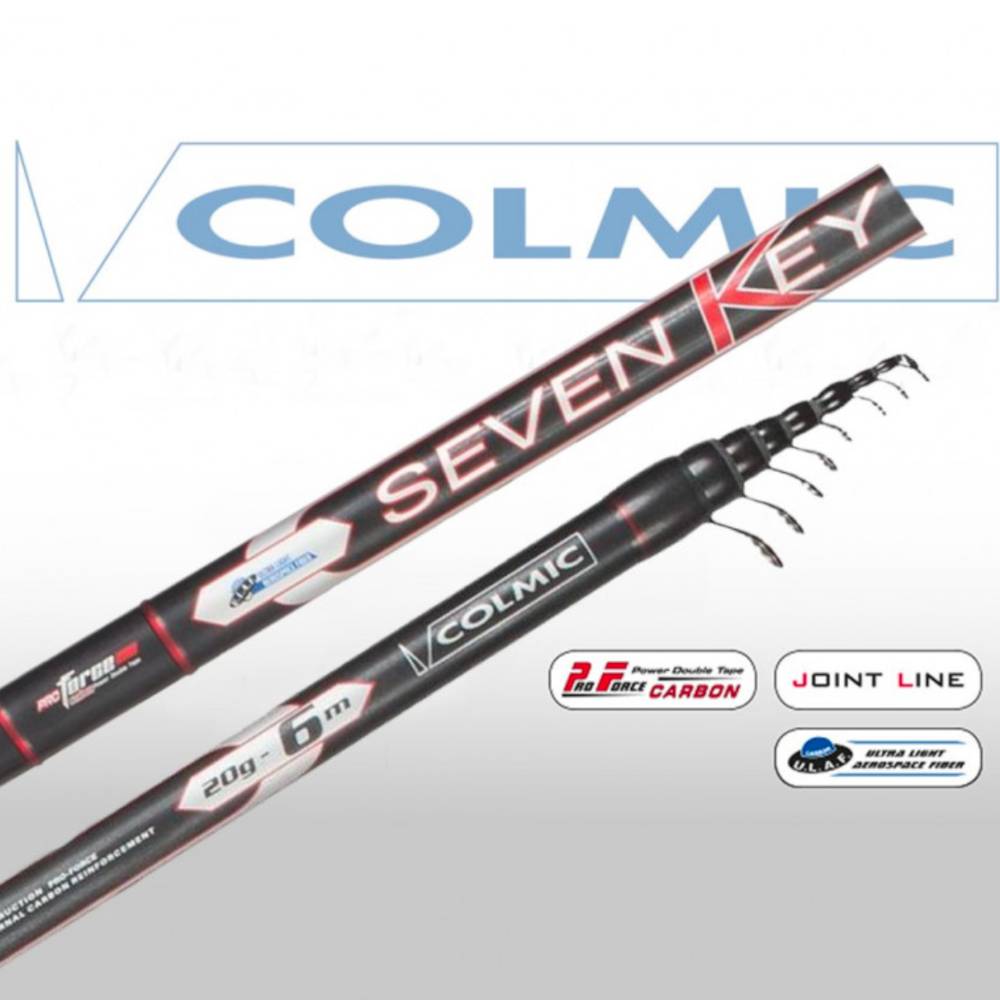
Bolognese rods are designed for controlled float fishing on rivers, canals, and still waters. Their longer length allows for accurate drifts and better line control, making them ideal for techniques like trotting in flowing water. Whether you’re choosing a shorter rod for smaller venues or a longer model for wider rivers, Bolo rods offer a balance of reach, sensitivity, and ease of use. Telescopic designs also make them practical to transport without compromising performance. If you’re unsure which rod to choose or how to get the most from it, you’ll find answers to common questions below.
A Bolognese rod, often called a “Bolo rod”, is a long, lightweight fishing rod designed for float fishing in rivers, canals, and still waters. Typically ranging from 5 to 8 metres in length, these rods allow anglers to fish at distance while maintaining excellent control over the float.
They are commonly used with a fixed spool reel and are ideal for trotting baits naturally in flowing water. Bolognese rods are popular for targeting species like roach, bream, chub, and dace, especially where precision and presentation are key.
What length Bolognese rod should I choose?
The right length depends on where you’re fishing. A 5–6 metre Bolognese rod is ideal for smaller rivers and canals where space is limited, while longer rods (7–8 metres) are better for wider rivers, deeper water, or when you need to control the float at distance. Longer rods offer better line control, but shorter rods are easier to handle, especially for beginners.
How do you set up a Bolognese rod?
A Bolognese rod is usually paired with a fixed spool reel, loaded with a light monofilament line. A float rig is attached, typically with small shot weights spaced along the line to control presentation. The aim is to present the bait naturally as it moves with the current, a technique known as trotting. Keeping the setup simple and balanced is key for good float control and bite detection.
What is trotting in fishing?
Trotting is a float fishing technique where the bait is allowed to move naturally with the current of a river. Using a Bolognese rod, anglers can control the speed and direction of the float, keeping the bait in the feeding zone for longer. It’s a highly effective method for catching species like roach, chub, dace, and grayling in flowing water.
Bolognese rod vs match rod - what’s the difference?
The main difference is length and control. Bolognese rods are longer (usually 5–8 metres) and designed for river fishing, giving better control when trotting a float downstream. Match rods are shorter (typically 3.6–4.2 metres) and better suited to still water or shorter-range float fishing. If you’re fishing rivers and need more reach and control, a Bolognese rod is the better choice.
What fish can you catch with a Bolognese rod?
Bolognese rods are ideal for a wide range of coarse fish, especially in rivers. Common species include roach, bream, chub, dace, and grayling. They can also be used on still waters for similar species where extra reach and float control are needed.
Product Comparison
Vendor
Price
Choosing a selection results in a full page refresh.